






How to Play VR and 360 Videos in VLC Media Player (2026 Guide)
Summary
- Explain which VR and 360° video formats VLC supports, including equirectangular, side-by-side (SBS), and over-under (OU), for seamless immersive playback.
- Guide users on how to play VR or 360° videos in VLC on Windows, Mac, Android, and iOS, including steps for older VLC versions.
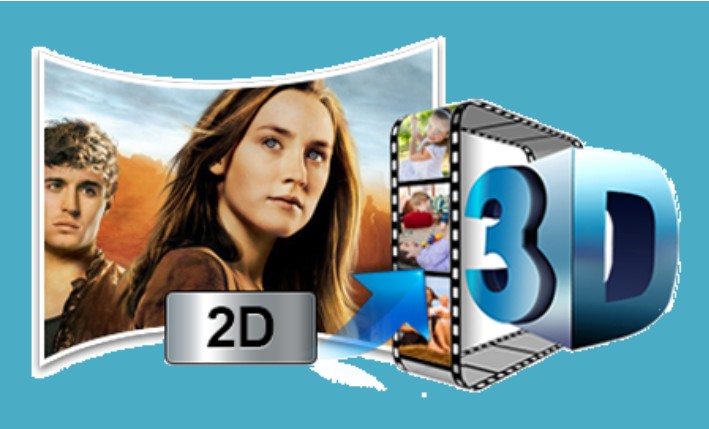
- Suggest tips for enhancing the VR experience, such as converting 2D videos to 3D effects for a more interactive and engaging viewing.
VLC VR player is a free, lightweight media player that can play 360° and basic VR videos on Windows, Mac, Android, and iOS. It supports common immersive formats such as equirectangular, side-by-side (SBS), and over-under (OU), allowing users to explore interactive environments without installing extra plugins. Unlike many dedicated VR players, VLC works across multiple platforms, making it one of the easiest tools for beginners who want to watch VR content on a computer or smartphone. In this guide, we'll walk you through the process of watching 360° videos and VR in VLC Media Player.
Part 1: Can VLC Play VR Videos?
VLC Media Player can play certain types of VR videos, especially 360° and basic 3D formats such as SBS (side-by-side) and Over-Under (OU). Starting from VLC 3.0, the player introduced support for 360-degree equirectangular videos, allowing users to explore the scene by dragging the mouse or swiping on mobile devices.
However, VLC is not a full VR headset player. It cannot directly run VR environments for devices like Meta Quest or HTC Vive. Instead, VLC works best for watching VR or 360 videos on a computer screen or mobile phone. If you want to watch VR content with a headset, you may need dedicated VR players or connect VLC through third-party tools such as SteamVR.
What VR Video Formats Does VLC Support
Before you start watching VR and 360° videos on VLC player VR, it's important to know which formats are compatible with the media player. VLC supports a range of VR and 360° video formats, but not all. Being aware of these formats can help you avoid playback issues and ensure a smooth viewing experience.
- 3D-180° and 3D-360° Videos: These can be in side-by-side (SBS) or top-bottom (Over-Under) formats, which are commonly used for 3D VR content.
- 360° Monoscopic and Stereoscopic Videos: These formats provide a full 360° view, with stereoscopic offering a more immersive 3D effect.
- VR Video Formats: Including SBS (Side-by-Side), OU (Over-Under), and 360° videos in equirectangular projection.
Quick compatibility overview
| Format | Works in VLC | Notes |
|---|---|---|
| 360° Equirectangular |

|
Most stable option |
| SBS Side-by-Side |
|
Common for 3D VR |
| Over-Under (OU) | |
Common for 3D VR |
| 180° 3D | Partial | Better in dedicated VR apps |
By ensuring your videos are in one of these formats, you can take full advantage of VLC's VR capabilities.
Part 2: How to Play VR or 360° Videos in VLC?
To play VR or 360° videos in VLC, install VLC 3.0 or newer, open your video file, and let the player automatically detect the immersive format. You can navigate the 360 view by dragging with your mouse on desktop or swiping on mobile, while Android users can enable 360 playback mode for a smoother interactive experience without extra plugins. Below are detailed steps.
Step 1. Install VLC 3.0 or Later
Download and install the latest version of VLC Media Player. Version 3.0 introduced support for 360-degree video playback..Step 2. Open the VR Video
Go to the Media Menu: Open VLC Media Player and click on "Open File" to locate your VR or 360° video.
Step 3. Enable 360° Navigation
Browse your files, find the VR or 360° video you want to watch, and click "Open".
Step 4.Play the Video
If VLC supports the video format, it will automatically play the video in the appropriate VR or 360° mode.
With these simple steps, you can enjoy your VR and 360° content directly in VR VLC player.
How to Play VR or 360° Videos Using Older Versions of VLC?
If you're using an older version of VLC Media Player, you might encounter some difficulties when trying to play VR or 360° videos. However, there's a workaround that allows you to enjoy these videos without upgrading to the latest version.
1.Download a Special Version: Visit http://people.videolan.org/~jb/Builds/360/ and download the file named `vlc-3.0.0-git-win32.exe`. This version is specifically designed for 360° videos.
2.Install the Version: Once downloaded, install this special VLC version on your computer.
3.Play Your 360° Video: Open VLC, locate your 360° video file, and play it as usual.
While this is a temporary fix, it's recommended to eventually update to the latest version of VLC to benefit from new features and improvements.
How to Watch VR Videos Normally in VLC
Sometimes VR or 360° videos may appear distorted or stretched when played in VLC. This usually happens because the video uses an equirectangular projection designed for interactive viewing.
To watch VR videos normally in VLC:
- Open the VR or 360 video in VLC.
- Move your mouse to control the viewing angle.
- Adjust the zoom or window size to focus on the part you want to watch.
- If the video looks stretched, switch to fullscreen mode and drag to center the view.
This allows you to watch VR content like a standard video even without a VR headset.
Part 3. VLC vs iPlay VR Player: Which Is Better?
VLC and iPlay VR Player are both popular tools for watching immersive videos, but they serve different purposes.
| Feature | VLC Media Player | iPlay VR Player |
|---|---|---|
| 360 Video Support | Yes | Yes |
| VR Headset Support | Limited | Yes |
| Platforms | Windows, Mac, Android, iOS | Android |
| Ease of Use | Very simple | Designed for VR headsets |
If you only want to play VR or 360 videos on a computer, VLC is usually enough. But if you want a true VR headset experience, dedicated VR players like iPlay or DeoVR provide better immersion.
Part 4: Frequently Asked Questions About VR Video Player VLC
Q1. Can VLC play VR and 360° videos?
A1. Yes. VLC Media Player 3.0 and later supports 360° videos and basic VR formats such as equirectangular, side-by-side (SBS), and over-under (OU). Users can interact with the video by dragging the mouse on desktop or swiping on mobile devices to explore different viewing angles.
Q2. Can VLC play VR videos on a VR headset?
A2. Not directly. VLC is mainly designed for desktop and mobile playback, so it does not provide native VR headset support. However, users can still watch VR videos on devices like Meta Quest or HTC Vive by streaming VLC content through tools such as SteamVR or Virtual Desktop.
Q3. Can VLC for Android play 360° videos?
A3. Yes. VLC for Android supports 360° video playback, allowing users to explore the scene using touch gestures. You can swipe to change the viewing angle or pinch to zoom in and out, making it easy to watch immersive videos directly on a smartphone or tablet.
Q4. Why does my VR video look distorted in VLC?
A4. VR videos often use an equirectangular projection, which may appear stretched or distorted on a flat screen. In VLC, you can drag the mouse or swipe the screen to adjust the viewing angle and display the correct perspective of the 360° environment.
Q5. Can VLC play 8K 360 videos?
A5. Yes, VLC can play 8K 360° videos, but smooth playback depends on your computer’s hardware. A powerful GPU, sufficient RAM, and efficient video codecs are required to handle high-resolution immersive videos without lag or dropped frames.
Q6. What VR video formats does VLC support?
A6. VLC supports several common VR and immersive video formats, including 360° equirectangular videos, SBS (side-by-side), and Over-Under (OU) formats. These formats allow users to explore the video scene interactively by controlling the viewing direction.
Bonus Tip: How to Convert 2D to 3D Effect to Enhance Viewing Experience?
If you want to enhance your viewing experience by converting 2D videos to 3D, HitPaw Univd (HitPaw Video Converter) is an excellent tool. It offers a straightforward way to add 3D effects to your 2D videos, making them more immersive when watched with VR glasses or on a 3D-capable display. Whether you're looking to breathe new life into your old 2D videos or create stunning 3D content for VR headsets, HitPaw Univd provides all the tools you need.
HitPaw Univd - All-in-one Video Solutions for Win & Mac
Secure Verified. 254,145 people have downloaded it.
- User-friendly interface: Simple and easy-to-use for converting videos.
- Multiple 3D Effects: effects like Anaglyph Side By Side, Anaglyph Red/Cyan, and more.
- Real-time preview: Allows you to preview the 3D effect before conversion.
- Supports Multiple Formats: Converts to popular formats like MP4, MOV, MKV, AVI, and more.
- High quality:No loss in resolution and that users get a high-quality output
Secure Verified. 254,145 people have downloaded it.
Step 1.Launch HitPaw Univd and switch to the Toolbox tab. Select the "2D Video to 3D" feature.
 Tips
Tips
Use head-mounted VR glasses or polarized lenses to preview 3D effects.
Step 2.Select a Split Mode: Choose from effects like Anaglyph Side By Side (Full Width), Anaglyph Red/Cyan Gray, and others. Adjust the Parallax value to control the depth of the 3D effect.
Step 3.Choose an Output Format: Select from formats like MP4, MOV, MKV, AVI, WMV, and WEBM.
Step 4.Preview and Export: Use the real-time preview to ensure the effect is as desired. Once satisfied, click the "Export" button to save the 3D video to your computer.
This tool allows you to easily create 3D videos from 2D content, enhancing your viewing experience with immersive effects. Watch the following video to learn more details:
Conclusion
VLC Media Player is a reliable and free option for watching VR and 360° videos, especially on Windows, Mac, and Android. It works best with equirectangular, SBS, and OU formats and requires no extra plugins in modern versions. While VLC is not a dedicated VR headset app, it remains one of the most accessible tools for immersive video playback. For deeper immersion, you can pair VLC with third-party VR tools or convert 2D videos into 3D using HitPaw Univd to enhance your viewing experience.




 HitPaw VoicePea
  HitPaw VikPea (Video Enhancer)
 HitPaw FotorPea

Share this article:
Select the product rating:
Daniel Walker
Editor-in-Chief
This post was written by Editor Daniel Walker whose passion lies in bridging the gap between cutting-edge technology and everyday creativity. The content he created inspires the audience to embrace digital tools confidently.
View all ArticlesLeave a Comment
Create your review for HitPaw articles