





OpenClaw Review: The Brain of AI Automation to Process Your Workflow
 By Daniel Walker
The AI ecosystem is rapidly fragmenting into two very different types of tools: logic-driven automation agents and visual creativity platforms.
Tools like OpenClaw are at the forefront of the "brain" side of AI - systems that can automate complex workflows, natively interact with software. In this review, we're going to take a closer look at OpenClaw, an AI agent that's growing at a seriously rapid rate and is known for its ability to control apps, automate chores, and execute commands. We'll be checking out its core features, the real-world practicality it offers, and the security concerns that researchers are starting to flag up.
Part 1. What is OpenClaw?
Artificial intelligence tools are moving beyond the basic chatbots of yesteryear. The latest generation of AI systems is designed not just think for themselves but actually get on with real work.
One of the AI tools that's really making waves in this space is OpenClaw - an open-source AI agent that lets users automate tasks right across a range of applications, messaging platforms, and system environments.
Unlike traditional AI assistants that just spit out answers to questions, OpenClaw can actually get on and do things for you, like running scripts, controlling browser sessions, and making sure workflows are humming along smoothly.

Originally released as Clawdbot, the project eventually morphed into Moltbot and then on to OpenClaw. The rapid interest from the developer community has made it one of the AI tools that everyone's talking about in 2026.
The concept behind OpenClaw is simple enough:
Instead of just chatting back at us, why not have our AI assistants actually do tasks for us?
And this turns the AI assistant into something that feels a lot more like a digital colleague.
Part 2. Key Automation Features of OpenClaw
OpenClaw's popularity stems from the wide range of tasks it can automate. These capabilities make it a must-have for developers, productivity enthusiasts, and businesses that are starting to explore AI agents.
1. Automation By Action
The main attraction of OpenClaw is task-based automation.
The AI agent can perform all sorts of tasks, such as:
- booking restaurant reservations
- sorting out your calendar
- sending automated emails
- running system scripts
- fiddling with browser sessions
The system hooks in with messaging platforms like WhatsApp or iMessage, letting users give instructions through natural language commands.
For example, you might send a message like "Schedule a meeting tomorrow and invite the team".
OpenClaw can then interpret the message and get on with executing it across connected apps.
2. Persistent Memory and Context
Another important feature is persistent memory.
Unlike most chatbots that forget all about the conversation once the session ends, OpenClaw stores:
- your preferences
- the conversation history
- workflow instructions
- previous tasks
This lets the agent get better at automating tasks over time and keep track of what's been discussed across multiple interactions.
3. Skills and Extensions
OpenClaw also has a system that lets you add plugins to the agent.
These plugins basically extend the functionality of the agent.
Think of things like:
- weather lookup tools
- financial data APIs
- automation scripts
- customer support integrations
The fact that the community can build and share these extensions means that the platform is super customizable.
Part 3. Real-World Examples of OpenClaw Automating Things
To get a feel for how OpenClaw can be used, it's helpful to look at real-world scenarios.
Personal Productivity
Agents can automate the stuff you do over and over again, like:
- tidying up your email inbox
- scheduling meetings
- reminding you about stuff
- managing your shopping list
This saves you a ton of time on everyday digital drudgery.
Developer Workflows
Developers can use OpenClaw to:
- run scripts automatically
- set up code pipelines
- generate documentation
- handle GitHub workflows
Because the agent can do system commands, it acts like a kind of middleman for development environments.
AI Experimentation
One experiment showed how an OpenClaw-based agent was able to pretty much run itself - it made online profiles and applied to hundreds of jobs, which gave a pretty clear idea of the level of autonomy of these systems.
This shows just how quickly agent-based AI systems are moving beyond simple assistants.
Part 4. Security Concerns Around Personal AI Agents
Even though OpenClaw is powerful, there are some serious security worries.
Because the agent can run shell commands, read files, and execute scripts, you need to be pretty careful about setting it up - or it could do some pretty bad stuff.
Security people have identified all sorts of risks:
- Prompt Injection
If you sneak instructions into documents or websites, and the AI reads them as commands, it could do some really bad stuff.
- Malicious Skills
Some of the extensions built by the community have turned out to have malware or data-stealing scripts.
- Data Exposure
Agents often need high-level permissions to operate, and if you store credentials or API keys incorrectly, you can end up exposing them to attackers.
Because of these risks, security people recommend running OpenClaw in a safe environment or in a sandbox.
Part 5. Brain vs Beauty: Where OpenClaw Falls Down
OpenClaw is super good at logic-driven automation.
However, it's not designed for visual tasks like:
- generating images
- making photo enhancements
- editing graphics
- creating visual content
Automation agents are the brains of AI workflows.
But if you want to do creative stuff like that, you need a tool that's been designed for visual intelligence.
Image-focused AI platforms like HitPaw FotorPea are better suited to that.
This is where you need to draw the line and use the right tool for the job.
Part 6: Using HitPaw FotorPea for High-End Image Work
When you're dealing with OpenClaw's workflow automation, you're probably looking for something that can deliver top-notch images - and that's where HitPaw FotorPea comes in. It's a beast when it comes to AI-powered image generation and enhancement.
It's specifically aimed at the creatives - designers, marketers, photographers - who need top-notch visuals but aren't keen on getting bogged down with advanced editing software.
What You Can Do With HitPaw FotorPea
Creating AI Images
This tool lets you create an image directly from a text prompt - like:
- a gritty cyberpunk cityscape
- an anime character portrait
- a futuristic product concept
The AI cranks out some seriously detailed visuals in no time.
Giving Old Photos a New Lease on Life
FotorPea also comes with all sorts of powerful tools that can:
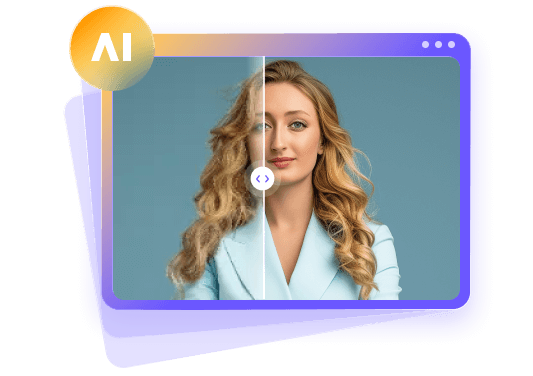
- Take a low-res image and upgrade it to high-def
- Sharpen up a blurry photo
- bring back the light in old, faded photos
- get rid of unwanted noise and weird artifacts
This is especially useful for photographers and digital artists.
Other AI Editing Tricks
- AI Object Remover: Erase distracting elements with a single stroke
- AI Background Remover: Isolate subjects with hair-level cutout accuracy
- AI Canvas: Modify specific parts of an image using simple text prompts
- AI Photo Filters: Apply cinematic, artistic, or nostalgic styles in one tap




The Verdict
OpenClaw represents a whole new era of AI helpers that can do tasks and manage workflows with minimal fuss.
Its ability to run scripts, automate digital tasks, and talk to messaging platforms makes it one of the most capable experimental AI assistants around.
But - just like with any powerful tool - there are security and reliability concerns to contend with. OpenClaw is ideal for devs and advanced users who know how to handle automation safely.
For creative tasks like image production, you still need specialized tools.
That's why pairing OpenClaw with HitPaw FotorPea is such a good idea - it's like having the perfect balance of brain and beauty.
In other words, OpenClaw gives you the logic for automation, and FotorPea gives you the eye for creativity.
Leave a Comment
Create your review for HitPaw articles


