



Midjourney Mood Board - How to Build, Use, and Reapply Visual Concepts
 By Daniel Walker
A Midjourney mood board is just a fancy name for a collection of reference images and style cues that help keep the outputs generated by AI looking consistent and intentional. We call it a mood board because its sole purpose is to set the tone, style, and atmosphere before those tools start churning out images. As you might expect, designers, artists, and content creators use mood boards to make sure their AI outputs look like they belong together.
With the growing demand for reusable aesthetics, Midjourney mood boards are now also being sold as creative assets - and that's because they work so well. This guide is going to break down how mood boards work in Midjourney and how you can use the exact same concept to generate more images with HitPaw FotorPea in a whole lot less time.
Part 1: What's The Point of A Midjourney Mood Board?

When you create a mood board in Midjourney, you're basically building a collection of reference images, prompts, and style cues that all work together to guide the AI to create something that looks the way you want. Think of it like having a whole bunch of reference images, all working together to tell the AI exactly what kind of style you're going for.
Common elements you'll want to include are:
- The colour scheme and lighting style that set the mood
- How you want the subject framed and composed
- The textures and materials that bring your image to life
- the overall emotional tone you're looking for (e.g., cinematic, dreamy, minimal, dark, etc.)
Using a mood board will give you much more consistent results across all your images.
Part 2: How to Create A Midjourney Mood Board
To build a Midjourney mood board that really works for you, you'll typically follow these steps:
- Collect a bunch of reference images that show the exact style you're going for
- upload those images into Midjourney using image prompts
- Combine those references with a detailed text prompt to really hammer home what you want
- play around with parameters like how much stylize and chaos you want, and what the seed is set to
- Save any successful outputs as part of the board
Once you've refined your board, you can reuse it to generate more images, or even sell it on to other people looking for the same kind of style. We're talking brand identities, social media themes, concept art - the list goes on.
Part 3: Why Midjourney Mood Boards Are Being Sold Like Hotcakes
The fact that MidJourney mood boards are now for sale is a sign that reusable visual systems are on the rise, and that buyers are willing to pay for them. They save time and hassle by using a proven aesthetic that they know works.
You'll see them being sold for:
- fashion campaigns and album art
- product photography and posters
- fantasy, cyberpunk, or cinematic looks
A strong mood board does basically the same job as a visual preset.
Part 4: Using A Mood Board When Generating Images with HitPaw FotorPea
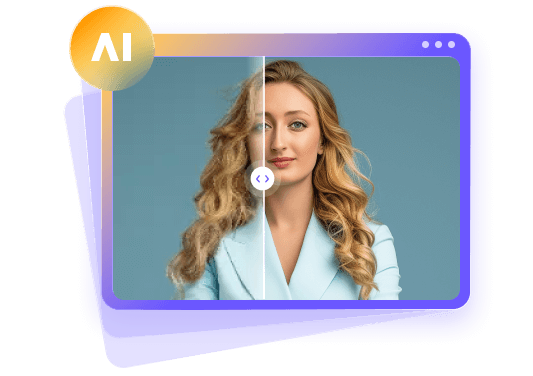
While Midjourney is great for coming up with ideas in the first place, HitPaw FotorPea is more geared towards controlled image generation, refinement, and enhancement. Using a mood board alongside FotorPea lets you generate a consistent style without having to guess at prompts all the time.
Why Use HitPaw FotorPea with A Mood Board
- You can generate images locally without having to use Discord
- AI generation that's based on visual references
- high-resolution output and enhancement
- easier iteration and refinement
This makes it perfect for creators who want to take a Midjourney mood board and turn it into actual production-ready images in no time.



Step-by-Step - Generate Images with a Mood Board in HitPaw FotorPea
- Get all your mood board images ready (use whatever you've got from Midjourney or elsewhere).
- Fire up HitPaw FotorPea and find the AI Image Generator feature - it's the one you want.
Upload those mood board images - they'll serve as visual guides for HitPaw to work with.
Come up with a decent description of what you actually want the image to be of (not the look).
Let the AI do its thing - it'll try to pick up on the style, lighting, and tone from the board that you uploaded.
- You'll end up with a bunch of variations - go through them and pick the one that works best.
- Use FotorPea's enhancement tools to give the image a bit more oomph - maybe some extra clarity, texture, and details to make it pop.
This whole workflow basically replaces all the messing around trying to craft the perfect prompt with something much more straightforward - and more efficient.
To be honest, when you're using MidJourney mood boards, it's all about experimentation with prompts - but when you're using mood board-driven generation in FotorPea, you get a totally different result - and one that's way faster and more scalable.
Conclusion
A Midjourney mood board is more than just something to get the creative juices flowing - it's a whole system for telling a story visually. Whether you're coming up with new ideas, or selling the look and feel of something, or even just getting more out of AI image generation, mood boards are the way to go. By combining mood board planning with HitPaw FotorPea's AI and enhancement tools, you can now turn pretty vague ideas into high-quality visuals that come out looking just right - without all the trial and error.
Leave a Comment
Create your review for HitPaw articles