



GPT-Image 1.5 Prompt Guide | How to Write Winning Prompts with Examples
 By Daniel Walker
Are you trying to create highly realistic pictures with AI but not getting the results you want? You need not worry, as the new GPT-Image 1.5 tool is here to rescue you. This powerful AI turns your imagination into beautiful art in just a few seconds. However, to get the very best results, you need to know how to write a good GPT-Image 1.5 prompt.
In this guide, we will show you how to write clear, effective prompts that generate stunning visuals. Besides this, you will find ready-to-use templates, real examples, and common mistakes to avoid.
Before we get started, let's understand what GPT-Image 1.5 is.
Part 1. What Is GPT-Image 1.5?
GPT-Image 1.5 is a next-generation AI image model designed to better understand prompts than earlier versions. Instead of guessing what you want, it follows instructions closely, producing cleaner, more detailed images. This means that, unlike other AI models that just generate random photos, GPT-Image 1.5 is more intelligent, follows instructions better, and produces pictures that look more realistic and have more details than before.

Additionally, GPT-Image 1.5 focuses on preserving key elements such as lighting, composition, textures, and proportions. As a result, the final image looks more realistic and polished.
1. Core Improvements Over Earlier Versions
Earlier, AI sometimes struggled to make pictures look "just right." Sometimes the colors were dull, or the faces looked a bit strange. Fortunately, GPT-Image 1.5 has fixed many of these problems. Now, it offers:
- Stronger color and lighting control, making images feel more natural
- Better object coherence, so elements don't look misplaced
- Improved text handling in images, reducing spelling and shape errors
- Faster responses, which save time during creative work
- Cleaner outputs, with fewer visual glitches
2. Best Use Cases
You might wonder what you can actually do with this tool. GPT-Image 1.5 is flexible; it works well for many tasks. For example, you can use it to design:
- Creative banners and social media visuals
- Portraits and character designs
- Product mockups for online stores
- Small marketing visuals and ads
- Meme, thumbnail, and concept-style images
Therefore, whether you are a designer, marketer, blogger, or beginner, this tool fits many creative needs.
Part 2. How to Craft a Winning GPT-Image 1.5 Prompt
You know, a prompt is the main ingredient to generate a photo using AI. Consider it like giving a recipe to a chef. If you just say "make food," the chef won't know what you want. If you say, "Make a spicy pepperoni pizza with extra cheese," you get exactly what you like.
This means the more specific you are in your prompt, the better the result will be. Below are simple steps to follow when crafting prompts using this GPT-Image 1.5 Prompt Guide.
1. Start with a Clear Subject
First, you must tell the AI what the primary focus is. Is it a dog? A robot? A mountain? Be specific. Instead of saying "a woman," say "a street fashion portrait of a young woman." This gives the AI a clear starting point.
2. Add Style Details
Next, decide how the picture should look. Do you want it to look like a real photo? Or maybe like a cartoon or an oil painting? Using words like "photorealistic" or "cinematic lighting" tells the AI what "vibe" to use. Furthermore, adding "depth of field" will make the background blurry, which makes the subject stand out.
3. Mention Environment and Background
After that, describe where the scene takes place. A person standing in a dark forest looks very different from a person standing on a sunny beach. Therefore, mention the time of day and any props nearby. For example, "a sunset beach with warm lighting" tells the AI to use orange and yellow colors.
4. Specify Camera and Lens Style (Optional)
If you want your image to look like a professional photograph, you can use camera words. You might mention a "50mm lens" for a lovely portrait. Similarly, asking for a "wide-angle shot is great for big landscapes. Although these details are optional, they will help the AI understand the "angle" of the picture.
5. Use Adjectives for Mood and Vibe
Finally, describe the emotional tone of the image. Don't be afraid to use adjectives. Use words like "vibrant," "moody," "minimalistic," or "dramatic." These words serve as signals for the AI's emotions. Consequently, a "minimalistic" room will look clean and empty, while a "dramatic" room might have dark shadows and bright lights.
Part 3. Best GPT-Image 1.5 Prompt Templates
To help you get started, here are some prompt templates that you can copy and use right now. These show you exactly how a good GPT-Image 1.5 prompt should look.
Template 1: The Perfect Portrait Prompt
Prompt:
"A photorealistic portrait of a smiling young woman, studio lighting, soft shadows, warm tone, 50mm lens, shallow depth of field, crisp detail, no text".
Example Output Description:
A clean studio portrait with smooth skin texture, balanced lighting, and a softly blurred background that keeps focus on the face.
Template 2: The Breathtaking Landscape
Prompt:
"A breathtaking mountain landscape at sunrise, golden light on peaks, misty valleys, 4K resolution, cinematic wide angle".
Example Output Description:
A wide, sunrise scene with glowing mountain tops and gentle mist flowing through valleys, creating a peaceful, dramatic view.
Template 3: The Professional Product Mockup
Prompt:
"A sleek black wireless headphone placed on a minimal white surface, clean shadows, high contrast, product commercial photography style".
Example Output Description:
A sharp, high-contrast product image that looks perfect for e-commerce banners, ads, or landing pages.
Template 4: The Amazing Concept Art
Prompt:
"A futuristic city at night, neon lights, rain reflections on the street, cyberpunk aesthetic, cinematic lighting, ultra detailed".
Example Output Description:
A vivid cyberpunk city scene filled with glowing neon signs, wet streets, and layered skyscrapers under night lighting.
Template 5: The Social Media Profile Picture
Prompt:
"A modern profile picture of a young man, clean background, soft natural lighting, confident expression, sharp facial details, Instagram-style portrait".
Example Output Description:
A clean, stylish profile image that feels natural and professional, ideal for social media platforms.
Template 6: The Blog Thumbnail Image
Prompt:
"A bright and eye-catching blog thumbnail showing a laptop on a desk, a cozy workspace, soft daylight, a minimal background, high clarity, and no text".
Example Output Description:
A clean and engaging thumbnail image that instantly attracts attention without looking crowded.
Template 7: The Realistic Food Photography Prompt
Prompt:
"A close-up photo of a freshly made cheeseburger, melted cheese, crisp lettuce, soft natural lighting, shallow depth of field, and realistic food photography".
Example Output Description:
A mouthwatering food image with rich textures and natural lighting, perfect for menus or food blogs.
Template 8: The Fashion Editorial Shot
Prompt:
"A high-fashion editorial photo of a model wearing a modern streetwear outfit, an urban background, dramatic lighting, and magazine photography style".
Example Output Description:
A stylish fashion image that looks like it came straight from a fashion magazine or brand campaign.
Template 9: The Minimalist Illustration
Prompt:
"A clean minimalist illustration of a person working on a laptop, flat design, soft pastel colors, simple shapes, and modern UI style".
Example Output Description:
A simple yet attractive illustration ideal for websites, apps, or explainer content.
Template 10: The Fantasy Artwork Prompt
Prompt:
"A magical fantasy forest with glowing trees, floating lights, a mystical atmosphere, soft fog, detailed digital painting, and a cinematic mood".
Example Output Description:
A dreamy fantasy scene that feels immersive and story-driven, perfect for creative projects or book covers.
Important thing to remember here is that even with a powerful tool, mistakes can reduce image quality. Therefore, make sure to not use prompts that are:
- Too Vague
- Missing Style or Lighting Instructions
- Using Contradictory Descriptions
- Overly Long or Confusing Prompts
Part 4. Bonus: Try ChatGPT Images 1.5 Alternative - HitPaw FotorPea
If you have tried ChatGPT Images 1.5 but are not satisfied with the results, consider trying HitPaw FotorPea. Powered by the advanced AI algorithm, this amazing software is easily approachable and feature-rich for both casual creators and professionals.
Overview of HitPaw FotorPea
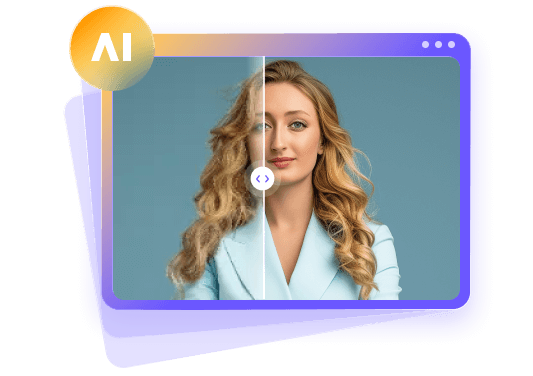
HitPaw FotorPea is a handy AI photo tool for anyone who wants great-looking images without the hassle of complicated editing software. Whether you're fixing a blurry photo, improving image quality, or creating eye-catching visuals from scratch, HitPaw FotorPea does it all. The best thing is that you don't need to be a graphic design expert to use this tool. Even if you are a complete beginner, its clean interface makes the process feel easy and stress-free.
Main Features of HitPaw FotorPea
- All-in-One Image Editor: It combines filters, effects, retouching tools, and creative assets into a single app.
- Powerful AI Image Generation: Instead of using separate tools for generating, editing, and polishing images, FotorPea combines everything in one place.
- Multiple AI Image Generation Templates: HitPaw FotorPea offers a wide range of built-in AI image generation templates, making it easy to create various image types without writing complex prompts.
- One-Click AI Image Creation: With pre-designed templates, generating images becomes a one-click process. You select a style, add a short description, and the AI instantly creates a high-quality image.
- AI-Powered Image Enhancement After Generation: Once your image is generated, the built-in AI helps enhance clarity, sharpen details, and improve overall quality.
- Smart Background Removal: HitPaw FotorPea quickly and precisely isolates subjects from backgrounds.
Batch Processing: It allows you to apply effects to multiple images at once, making it ideal for creators with large photo sets.
Conclusion
Creating art with a GPT-Image 1.5 prompt is a fun and exciting way to express yourself. However, it is essential to remember that the high-quality AI images depend on well-written prompts. By using clear subjects, strong style details, proper lighting, and simple structure, you can create stunning visuals in GPT-Image 1.5.
However, if you feel that GPT-Image 1.5 is taking too long or not delivering the desired results, consider using HitPaw FotorPea. With its ready-made AI image generation templates and one-click creation features, you can generate polished visuals faster without spending hours tweaking prompts.



Leave a Comment
Create your review for HitPaw articles