



4K Upscaler for AI-Generated Images: How to Improve Detail and Clarity
 By Daniel Walker
AI-generated images can look impressive at first glance, but their original resolution may not be high enough for large displays, printing, or detailed editing. When enlarged, faces, hair, textures, and small elements can become soft or lose definition.
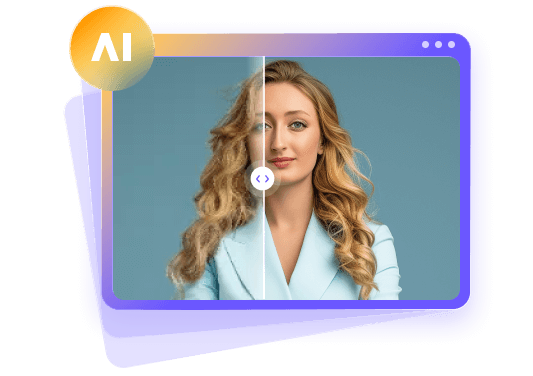
A 4K upscaler can increase an image's resolution while using AI to reconstruct and enhance visual details. This makes it possible to turn a low-resolution AI-generated image into a sharper version that is better suited for high-resolution displays and other demanding uses.
In this guide, we'll explain what 4K upscaling is, why AI-generated images may benefit from it, how different upscaling methods work, and how to upscale AI-generated images to 4K with AI.

What Is a 4K Upscaler?
A 4K upscaler is a tool that increases an image's resolution to approximately 3840 × 2160 pixels, the resolution commonly associated with 4K UHD. Unlike basic image resizing, AI-powered upscalers analyze the existing image and estimate additional details to create a higher-resolution result.
Traditional resizing mainly changes the number of pixels, which can make an image larger without adding meaningful detail. AI upscaling, on the other hand, can enhance edges, textures, facial features, and other visual elements while increasing resolution.
In simple terms, 4K upscaling is not just about making an image bigger. It is about producing a larger image that also looks clearer and more detailed.
Why Upscale AI-Generated Images to 4K?
Improve Image Clarity
AI-generated images can contain soft edges or fine details that become less noticeable at their original size. Upscaling can sharpen these areas and make elements such as facial features, hair, textures, and outlines more defined.
Prepare Images for Large Displays
A higher-resolution image is better suited for large monitors, 4K displays, presentations, digital artwork, and printing. Upscaling can also make AI-generated content more suitable for platforms where higher image quality is preferred.
Restore Details in Low-Resolution AI Art
Low-resolution AI art may lose important details when viewed or used at a larger size. AI enhancement can help reconstruct details in faces, hair, clothing, textures, and other fine elements while increasing the overall resolution.
What Happens When You Upscale an AI-Generated Image?
When you use a 4K image upscaler, the tool first analyzes the pixels and visual patterns in the original image. An AI-powered upscaler can then estimate missing information and generate additional details while increasing the image dimensions.
The results are often most noticeable around faces, hair, edges, textures, and small objects. For example, facial features may become more defined, while fine textures and sharp edges can appear clearer.
This is different from simply changing an image's width and height. Standard resizing creates additional pixels based on existing information, but it does not necessarily recover details that were not present in the original image.
What to Prepare Before Upscaling
Before using a 4K upscaler, keep a few things in mind:
- Start with the highest-quality original AI-generated image available.
- Check for existing blur, compression, or AI-generated artifacts.
- Decide how the final image will be used before choosing the output resolution and format.
- Avoid repeatedly upscaling and re-saving the same image, as this can reduce quality.
How to Upscale an AI-Generated Image to 4K
There are several ways to upscale an AI-generated image, including AI image upscalers, online 4K upscalers, and traditional image editing software.
AI-powered tools are generally better suited to images that need both resolution improvement and additional detail enhancement. Online tools are convenient when you want a quick browser-based workflow, while traditional editing software can provide more manual control.
The best method depends on the original image quality, the desired output size, and how much detail you need to preserve or enhance.
Method 1: Use an AI Image Upscaler
AI image upscalers are designed to increase resolution while improving visual details at the same time. Depending on the tool, they can enhance faces, edges, textures, hair, and fine patterns that may look soft in the original image.
This is often the most suitable option when the goal is not only to reach 4K dimensions but also to make the enlarged image look clearer.
Method 2: Use an Online 4K Upscaler
Online 4K upscalers allow you to process images directly in a browser without installing desktop software. They can be useful when you need to quickly enlarge an AI-generated image for social media, presentations, or other online content.
However, the available enhancement controls and output quality can vary between services.
Method 3: Use Traditional Image Editing Software
Traditional image editing software such as Photoshop can resize an image to 4K dimensions and provide additional manual editing controls.
However, standard resizing primarily changes the image dimensions. If the original image lacks important details, simply increasing its resolution may result in a larger image that still looks blurry or soft. AI upscaling is generally more suitable when detail reconstruction is also important.
Upscale AI-Generated Images to 4K with HitPaw FotorPea
HitPaw FotorPea is an AI image enhancement tool that can upscale images while improving clarity and fine details. It can be useful for AI-generated artwork, portraits, illustrations, and other low-resolution images that need to be enlarged without simply stretching the existing pixels.
Instead of relying only on standard resizing, FotorPea uses AI-powered enhancement to improve image details during the upscaling process. This makes it a practical option when you want both a higher-resolution image and a cleaner visual result.
Key Features
- AI Image Upscaling: Increase image resolution while enhancing visual details.
- Face Enhancement: Improve facial details in AI-generated portraits and character images.
- Denoise and Sharpen: Reduce unwanted noise and improve overall clarity.
- Image Restoration: Help recover details from older or low-quality images.
- Multiple Enhancement Tools: Choose different AI tools based on the type and condition of the image.
How to Upscale AI-Generated Images to 4K with FotorPea
Step 1: Download HitPaw FotorPea
Download and install HitPaw FotorPea on your computer.




Step 2: Upload Your AI-Generated Image
Open FotorPea and import the AI-generated image you want to upscale.
Step 3: Select an AI Enhancement Tool
Choose the appropriate AI enhancement tool based on your image.
Step 4: Set the Output Resolution
Choose the desired enlargement level and set the output to 4K when available. Check the preview to make sure important details remain natural after upscaling.
Step 5: Preview and Export
Compare the enhanced result with the original image. If the details and textures look natural, export the final 4K image in your preferred format.
Common Problems When Upscaling AI-Generated Images
Even with AI enhancement, upscaling does not guarantee a perfect result. The quality of the original image and the AI-generated details can affect the final output.
Blurry Details
Some areas may remain soft if the original image contains very little visual information. AI can reconstruct and enhance details, but it cannot always accurately recover information that was never present.
Artificial Details
AI enhancement may sometimes create details that look overly sharp or unnatural. This can be particularly noticeable in textures, hair, skin, and small patterns.
Distorted Elements
AI-generated images may already contain unusual faces, hands, text, or small objects. Upscaling can make these existing problems more noticeable, so check these areas carefully before exporting the final image.
Visible Artifacts
Compression artifacts and other imperfections in the original image may become more visible after enlargement. Starting with a clean source image can help produce a better result.
4K Upscaling vs. Standard Image Resizing
The main difference is that standard resizing increases image dimensions, while AI upscaling also attempts to improve visual details.
| Aspect | AI 4K Upscaling | Standard Resizing |
|---|---|---|
| Increase resolution | ✓ | ✓ |
| Enhance fine details | ✓ | Limited |
| Reconstruct missing details | ✓ | - |
| Improve faces and textures | ✓ | Limited |
| Manual control | Depends on tool | Usually more |
| Best for | Quality-focused enlargement | Basic size adjustment |
If your AI-generated image already looks sharp and you only need larger dimensions, standard resizing may be sufficient. If the image is soft, low-resolution, or lacking detail, an AI 4K upscaler is usually the more appropriate choice.
FAQs About 4K Upscaler
Yes. AI-generated images can be upscaled to 4K using dedicated AI image upscalers or other image enhancement tools.
The best option depends on the original image and your requirements. If you need both resolution enhancement and detail improvement, an AI-powered tool such as HitPaw FotorPea can be a suitable option.
Yes. AI upscaling can enhance details such as edges, textures, hair, and facial features while increasing the image resolution.
Start with the highest-quality source available, choose an appropriate AI enhancement tool, and check the result carefully for unnatural details or distortions before exporting.
Simply resizing an image to 4K does not necessarily improve its visual quality. AI upscaling can provide better results by increasing resolution while also enhancing or reconstructing visual details.
Conclusion
Upscaling an AI-generated image to 4K can make it more suitable for large displays, presentations, printing, and other high-resolution uses. While traditional resizing can increase image dimensions, AI upscaling goes further by analyzing the image and enhancing details such as faces, textures, edges, and fine patterns.
For users who want a simple way to improve both resolution and image quality, HitPaw FotorPea provides AI-powered image enhancement tools for upscaling, sharpening, denoising, face enhancement, and restoration. It can be particularly useful when an AI-generated image looks good but needs more detail and clarity before being used at a larger size.
Leave a Comment
Create your review for HitPaw articles