




Blue Monday: How Better Visuals Can Help Fix Your Mood
 By Daniel Walker
Every year, people call Blue Monday the "most depressing day of the year." This concept usually emerges in mid-January when cold, short daylight hours, and stress after vacation overlap. During this period, many people feel fatigue, feeling depressed and less motivated. For this reason, Blue Monday is attracting attention on social media, blogs and news sites around the world. Feeling depressed is not limited to thinking. It also appears in the content we see every day. Videos, reels, ads, and digital posts often reflect our mood. This article explains the origin of Blue Monday, why many people feel it, and the relationship between visual information and mood. In addition, it shows that you can change the tone of emotion by improving the visual quality of the video.
Part 1: What Is Blue Monday and Where Did It Come From?
Blue Monday usually falls on the third Monday of January. Many people link this day with low mood, tiredness, and a lack of motivation. Winter weather, short daylight hours, and the return to work routines after the holidays all play a role in how people feel around this time. The idea of Blue Monday began in 2005, when a UK travel company called Sky Travel launched a marketing campaign. The company worked with psychologist Cliff Arnall, who created a formula that claimed to calculate the most depressing day of the year. The formula included factors such as cold weather, debt after holidays, failed New Year's resolutions, and low motivation.

Many scientists later questioned the formula and said it had no strong scientific proof. Even so, people still relate to Blue Monday because the emotional experience feels real. Work pressure increases, outdoor activity drops, and winter fatigue sets in. This shared feeling is why Blue Monday remains widely recognized today.
Part 2: Why Blue Monday Feels So Real for Many People
The realistic feeling of Blue Monday is that the depressions of emotions accumulate gradually over time. Winter, everyday routines and digital habits all affect mood formation. Individuals waste much time on the phones, computers, and social platforms and in most cases, they observe poor-quality videos that are dim in colour, dark. Combining all these factors with every year, a number of people will be even stronger and closer to Blue Monday.
1. Common Emotional Signs
Before and after Blue Monday, many people feel tired even when they get enough sleep. Lose interest in daily work and decrease concentration. The lack of energy and lack of motivation gradually amplify over several weeks, making the day feel heavy.
2. Role of Digital Habits
People spend a lot of time scrolling and watching videos on social media. Dark, dull or low-quality content quietly reinforces negative emotions without the viewer noticing them.
3. Impact of Screens on Mood
Smartphones, laptops, and TVs show images that affect the brain. Dulled tones and inadequate lighting amplify the emotional weight over time. This is why the sense of Blue Monday is felt more strongly in modern digital life.
Part 3: The Link Between Mood and Visual Experience
Visual information affects the mood more than many people recognize. Color, brightness and clarity quickly affect your emotions, especially during Blue Monday. This relatability is the reason why consuming materials in the form of videos, social media posts, and online articles creates a subtle influence on emotions and increases and reduces the burden of Blue Monday based on what you watch.
1. How the Brain Reacts to Visuals
The brain instantly senses light, color, and contrast. Dark, dull, or poorly lit images amplify mental hardship and fatigue. Bright and clear images convey a sense of awakening and peace.
2. Dull Visuals and Low Mood
On Blue Monday, people tend to consume digital content that matches their depressed mood. Dark videos and faded posts enhance fatigue and sadness, creating a vicious cycle of negative emotions.
3. Positive Impact of Clear Visuals
Bright, colorful and balanced visuals calm your mind. Reduce eye fatigue, increase concentration and improve emotional experience of content. Clear visuals make video viewing and SNS scrolling more uplifting.
Part 4: From Sad Video to Bright & Vivid Visuals
As we discussed in Part 3, visuals strongly influence mood. Dark, blurry, or poorly lit videos can reinforce fatigue and negative emotions, especially on Blue Monday. Bright and clear visuals can lift spirits, reduce eye strain, and make content more engaging. Even small changes in tone, brightness, or contrast can affect how the brain perceives a video, helping viewers feel lighter and more positive.
1. Problems with Low-Quality Videos
Low lighting, faded colors, and low contrast make videos look dull. On Blue Monday, watching these videos can increase fatigue and amplify negative emotions.
2. Simple Visual Improvements
Adjusting brightness, contrast, and color balance can dramatically improve clarity. Even minor enhancements make videos easier to watch and more visually appealing.
3. The Role of AI Video Tools
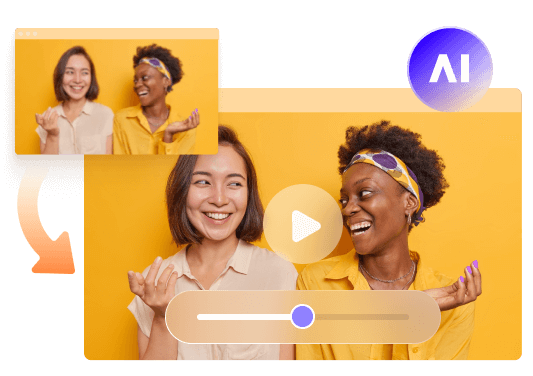
AI tools like HitPaw VikPea can automatically enhance video quality. They improve colors, brightness, and sharpness without requiring advanced editing skills, making videos more vibrant and emotionally uplifting.
4. Emotional Impact of Enhanced Videos
Bright and clear visuals help viewers feel more positive and relaxed. By reducing visual stress, AI-enhanced videos create a comfortable, mood-lifting experience, helping relieve the emotional weight often felt on Blue Monday.
Part 5: Enhance Video Mood with HitPaw VikPea AI Video Colorizer
HitPaw VikPea is one of the tools that will help you improve your visual. This software is equipped with an AI Colorist Model to enhance the color tone and overall quality of videos in just a few simple steps. This tool focuses on making dulled images clearer and brighter. Effective for personal videos, SNS clips and marketing content. In times like Blue Monday, these improvements could change the audience's impression of content. The AI system analyzes each frame and adjusts the color tone in a natural way. No advanced editing skills required and the process is simple and fast.
Key Features of HitPaw VikPea
- AI Video Generator: Generate videos from image/text using AI models like Kling 2.1, Hailuo 2.3, Pixverse 5.0, VEO 3, etc.
- AI Video Repair: Restore damaged or unplayable footage automatically, improving clarity and reducing noise.
- Colorize Video: Colorize faded or black-and-white videos naturally, adjusting tones for brighter and more vivid visuals.
- Video Enhancement to 4K: Upgrade video resolution to 4K for sharper, clearer, and more professional-looking content.
Steps to Colorize and Enhance Video with HitPaw VikPea AI Colorist
Step 1. Go to the official website and download HitPaw VikPea. After it is installed, start the application and log in when it is necessary.



Step 2. Select your video files by browsing your computer or simply drag and drop them into the VikPea interface. You can import multiple videos at once for batch processing.
Step 3. VikPea AI Colorist offers two modes for different needs:
- Colorize Only: Adds realistic AI-generated colors to your footage while keeping its original resolution and sharpness. By default, the output matches your video's original resolution, but you can choose a higher resolution in Export Settings.
- Colorize + Enhance: Adds color and applies VikPea's enhancement engine to upscale resolution, reduce noise, and improve detail. The default export is a 2x upscale, with an option to increase up to 4K.
Step 4. Before processing the full video, you can preview the first 3 seconds by clicking Preview. This allows you to check the colorization and enhancements in advance.
Step 5. Once satisfied with the preview, click Export to process the entire video. The export is performed on cloud servers and credits are deducted based on video length:
- Colorize Only: ~1.5 credits per 2 seconds of video
- Colorize + Enhance: ~2.5 credits per 2 seconds of video
FAQs About Blue Monday
Blue Monday refers to the third Monday of January, a day when many people tend to feel emotionally low or depressed. Scientists do not fully support the original formula behind it. However, many people sympathize with this feeling due to the stress of winter, the decrease in daylight hours, and daily pressure.
The brain reacts very quickly to light and color. Dark images are easy to create a severe mood, while bright images help increase comfort and concentration. This is why video quality is important when emotions like Blue Monday fall.
Yes. Many AI tools, including HitPaw VikPea, are also effective for beginners. Even if you don't have editing experience, you can improve the color and quality of the video. Easy to use on a daily basis with simple steps.
Conclusion
Blue Monday highlights the impact of depressed emotions on everyday life. This concept may not be supported by a solid scientific basis, but the senses behind it are linked to real experience. Winter stress, digital habits and visual overload are all affecting you. The good news is that small changes will help. Excellent visuals improve the impression of content. Clear and bright videos reduce visual stress and support a healthier digital experience. When emotions fall, even simple visual improvements make content more enjoyable. HitPaw VikPea video enhancer tool that utilize AI provide practical means to improve mood through vision. By improving video quality, users can create lighter and more positive content.
Leave a Comment
Create your review for HitPaw articles